Vanishing Acts: The Quiet Crisis of TV Shows Disappearing From Streaming Forever
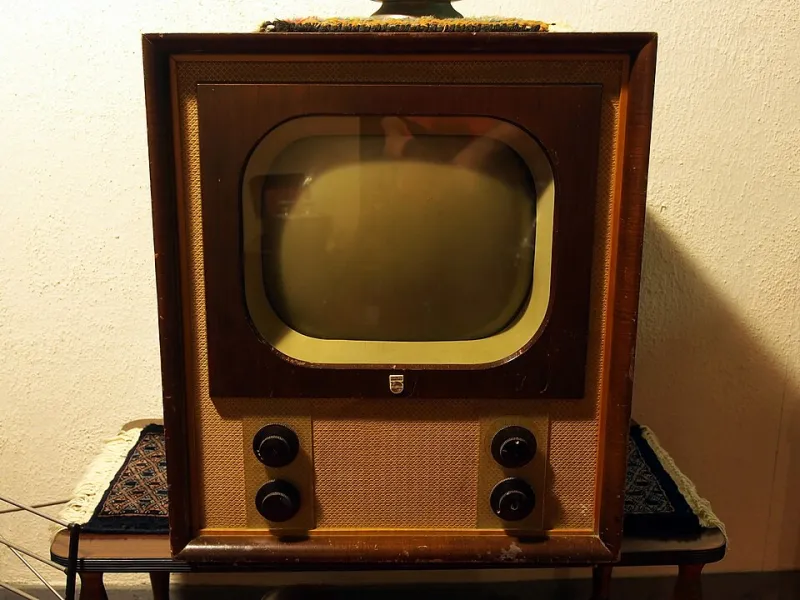
Photo: Alf van Beem, CC0, via Wikimedia Commons
Remember when Netflix felt like a library that would never close? You could revisit that one episode of 30 Rock you loved, binge The West Wing on a rainy Sunday, or finally catch up on a classic you missed the first time around. That promise — everything, always, available — turned out to be more of a marketing vibe than a reality. Today, shows are disappearing from streaming platforms at a pace that should genuinely alarm anyone who cares about television history.
This isn't just a minor inconvenience. It's a quiet, slow-motion crisis for how future generations will understand the medium.
The Licensing Maze Nobody Warned Us About
Here's the thing most casual streamers don't realize: when a show lands on a platform, it's almost never permanent. Streaming rights are licensed, not owned — meaning they expire, get renegotiated, or evaporate entirely when studios merge or shut down. When WarnerMedia and Discovery combined to form Warner Bros. Discovery in 2022, dozens of shows were pulled from HBO Max almost overnight. Some were originals that WBD simply didn't want to pay residuals on anymore. Others were casualties of a corporate restructuring that had nothing to do with their quality or fan demand.
The result? Episodes — sometimes entire seasons — became functionally inaccessible to anyone without a physical copy or a very persistent BitTorrent habit.
And it's not slowing down. As major studios continue consolidating and smaller streamers struggle to stay afloat (RIP Quibi, CNN+, and Peacock's more adventurous originals), the content graveyard keeps growing. Shows that never got a physical media release are especially vulnerable. If they disappear from streaming, they disappear, period.
Which Shows Are Actually at Risk?
The titles most at risk tend to share a few common traits: they were mid-tier performers, they aired on platforms that are now defunct or restructured, and they never got a DVD or Blu-ray release. Think about some of the quirky cable comedies from the early 2010s, niche sci-fi series that built cult followings but not mainstream ones, or reality TV from the pre-Netflix era that nobody thought to archive properly.
Some specific categories to watch:
- Streaming originals from dead platforms: Anything that premiered exclusively on Quibi, the original Yahoo Screen (yes, that was a thing), or early iterations of services that have since pivoted or folded.
- Shows caught in merger limbo: Titles that were produced by studios now absorbed into larger conglomerates, where rights ownership has become genuinely unclear.
- International co-productions: Shows with complicated multi-party licensing arrangements that make renegotiation a logistical nightmare.
- Reality and unscripted content: This genre is notoriously undervalued in preservation conversations, but it represents a massive chunk of American television history.
Why Physical Media Isn't Saving Us Either
You might be thinking: just buy the DVD. Fair point — but studios stopped releasing physical editions of most shows years ago. The economics don't work the way they used to. And for anything produced after roughly 2015, a physical release was often skipped entirely under the assumption that streaming would cover it. That assumption is now looking pretty shaky.
Libraries and archives like the Paley Center for Media do important preservation work, but they're not consumer-accessible in the way a streaming platform is. Knowing that a show technically exists in a climate-controlled vault in New York isn't the same as being able to watch it.
Where Tracking Comes In
This is exactly the problem that comprehensive media databases exist to address — and why what we're doing at AllTM matters more right now than at any point in the site's history. When a show disappears from a platform, the episode data, cast information, air dates, and production details don't have to disappear with it. Cataloging every title, every episode, every season creates a record that outlasts any individual platform's licensing agreement.
Think of it as the difference between a book being out of print and a book being forgotten. AllTM's goal is to make sure nothing gets forgotten — even when the studios, the platforms, and the algorithms have all moved on.
For fans, this kind of documentation is also practically useful. If you're trying to track down a specific episode of a show that's been pulled from streaming, having a complete episode guide with original air dates, production codes, and plot summaries gives you a fighting chance of finding it through other means — library systems, fan archives, or the occasional lucky thrift store find.
What Fans Can Actually Do
Beyond using and contributing to databases, there are real steps viewers can take to push back against this trend:
Document what you watch. Logging episodes and writing reviews creates a public record that a show had an audience. It signals to studios that interest exists, which can influence future licensing decisions or revival conversations.
Advocate for physical releases. Fan campaigns have occasionally moved the needle here — the Firefly blu-ray release happened partly because of organized fan pressure. It's a long shot, but it's not zero.
Support preservation organizations. Groups like the Television Academy Foundation and various film preservation nonprofits are working on this problem at a structural level. They need funding and attention.
Make noise when shows disappear. Studios pay attention to social media backlash. When Batgirl was shelved and shows were pulled from HBO Max, the online response was loud enough to generate genuine press coverage. That matters.
The Bigger Picture
Television is an art form, and like any art form, its history deserves to be preserved. The streaming era promised us unprecedented access to that history — and in many ways, it delivered. But the business model underneath that promise was always more fragile than it looked. As the industry continues to consolidate, restructure, and chase profitability, the casualty list is going to keep growing.
The solution isn't to be nostalgic for the DVD era or to pretend streaming is all bad. It's to be clear-eyed about what's at risk and intentional about preservation. Every tracked episode, every documented series, every cataloged cast list is a small act of resistance against the cultural amnesia that happens when profit motives and archival responsibility diverge.
At AllTM, we're tracking everything — not just what's popular right now, but what was, what got canceled too soon, and what deserves to be remembered. Because the history of television is worth keeping.