Spin the Wheel, Lose the Bet: The Strange Logic Behind Hollywood's Reboot Addiction

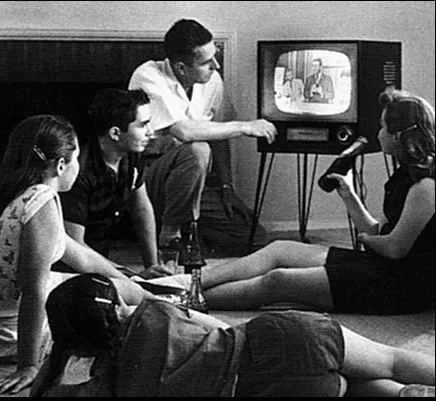
Photo: Goofyfoot92, CC BY-SA 4.0, via Wikimedia Commons
There's a particular kind of optimism that only exists inside a Hollywood greenlight meeting. It's the kind that looks at a show that ran two seasons, got middling reviews, and quietly disappeared from the cultural conversation — and says, yeah, let's do that again, but bigger.
We track everything here at AllTM. Every title, every cancellation, every quiet disappearance from a streaming library. And one pattern keeps showing up in the data that honestly defies easy explanation: the reboot of the already-failed property. Not beloved classics getting a second shot. Not cult favorites with passionate fanbases demanding more. We're talking about shows that, by any reasonable metric, didn't work the first time.
So why does this keep happening? And more importantly — has it ever actually paid off?
The Graveyard of Good Intentions
Let's run through some names you might recognize. Murphy Brown came back in 2018 on CBS, nearly 20 years after its original run ended on a fairly graceful note. The revival leaned hard into political commentary, drew some initial curiosity, and was canceled after one season. The original Murphy Brown was a genuinely successful show — so that one at least had legacy appeal working in its favor, even if the execution stumbled.
More puzzling is the Saved by the Bell reboot that landed on Peacock in 2020. The original was a Saturday morning staple, sure, but it was also widely acknowledged as cheesy even at the time — beloved more for nostalgia than for any real critical standing. The reboot was self-aware about that, leaning into the camp. It got decent reviews, actually. And then it was canceled after two seasons anyway, leaving a fanbase that had only just re-engaged suddenly stranded again.
Then there's Charmed (2018), One Day at a Time (2017, though that one found a surprising second life), Magnum P.I., Fantasy Island, The Equalizer. Some of these originals were genuinely iconic. Others were... fine. Serviceable. The kind of shows that filled a timeslot and didn't cause any trouble.
The question isn't whether nostalgia is a valid marketing hook — it clearly is. The question is whether studios are actually distinguishing between nostalgia for something good and nostalgia for something that existed.
What the Greenlight Data Actually Says
Here's the uncomfortable truth about how a lot of these projects get approved: the decision-making process relies heavily on IP recognition metrics that don't always correlate with genuine audience enthusiasm.
Streaming platforms in particular have leaned into search data and catalog performance numbers to identify which titles people are at least aware of, even if that awareness is mostly passive. If a title shows up in enough searches — even searches like "whatever happened to" or "is [show] on streaming" — it can register as latent demand. Studios then interpret that signal as greenlight-worthy interest.
The problem is obvious once you say it out loud. Knowing a show exists is not the same as wanting it back. And wanting it back is not the same as actually watching a new version of it.
There's also the rights and relationship angle that doesn't get discussed enough. Sometimes a reboot happens not because anyone ran the numbers and felt confident, but because a studio already owns the IP, a showrunner or actor has a deal that needs a project attached, and a familiar title feels like less of a risk than something entirely new. "Less of a risk" is doing a lot of heavy lifting in that sentence.
The Rare Exception That Proves the Rule
It's not all doom. There are genuine cases where a property that underperformed originally found real traction the second time around.
One Day at a Time is probably the clearest example in recent memory. The original Norman Lear series from the '70s and '80s was successful in its time but hadn't exactly remained a cultural touchstone. The 2017 reboot on Netflix — reimagined around a Cuban-American family — earned critical love and a devoted audience. When Netflix canceled it, Pop TV picked it up. When Pop TV ended, Paramount+ gave it another home. That show fought for its life repeatedly and kept finding people who genuinely cared.
What separated it from the Murphy Brown revival or the Charmed reboot? It didn't treat the original as a sacred text. It used the premise as a starting point and built something that felt current and specific. The nostalgia was almost incidental.
That's the blueprint that almost nobody follows, because it requires admitting that the original wasn't perfect — and in Hollywood, admitting that while simultaneously trying to sell the IP's value is a tricky needle to thread.
So Why Does the Cycle Continue?
Because the downside is manageable, and the upside — in theory — is enormous.
A reboot that clicks can generate years of content, merchandise, expanded universe potential, and the kind of multigenerational audience that advertisers and subscribers love. Cobra Kai did it. The Conners did it, at least commercially. The fantasy of that outcome is compelling enough that studios keep rolling the dice even when the odds are clearly not in their favor.
At AllTM, we've cataloged enough of these attempts to see the shape of the pattern clearly. The reboots that work tend to have a genuine creative reason to exist — a new perspective, an updated context, a story that wasn't finished. The ones that don't tend to exist primarily because the title was available and someone thought recognition would do the heavy lifting.
Recognition is a starting line, not a finish line. Hollywood keeps forgetting that, and we keep tracking the results.
The wheel keeps spinning. The bets keep landing wrong. And somewhere in a development meeting right now, someone is pitching a reboot of a show you barely remember — and it's getting a serious look.