Lost in the Shuffle: How Streaming Platforms Are Quietly Dismembering Franchise Timelines
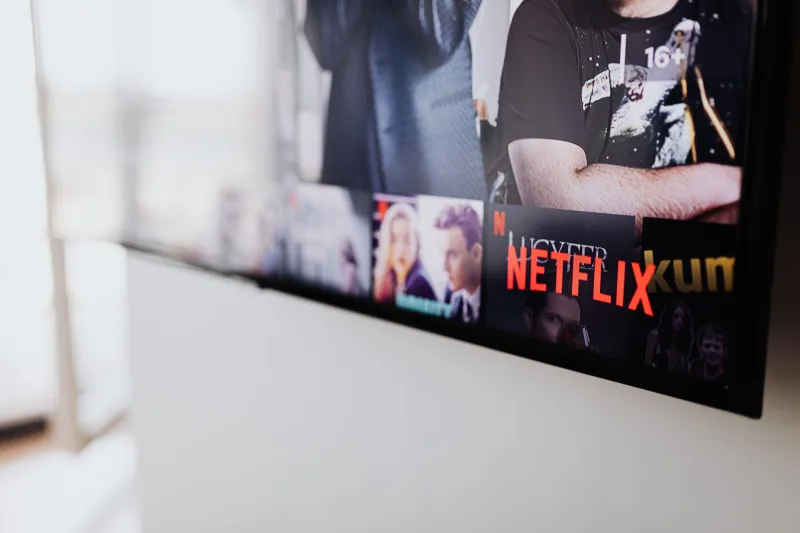
Let's say you want to catch up on a major franchise before a new season drops. Simple enough, right? You pull up your streaming app, search the title, and — nothing. Or worse, you find part of it. Three seasons live on one platform, a prequel miniseries exists somewhere else entirely, and that crucial bridge movie that connects the two? Buried on a service you canceled eight months ago. Congratulations. You're now a franchise archaeologist, and the dig site is a mess.
This isn't a hypothetical. It's the lived reality for millions of American viewers right now, and it's quietly doing serious damage to the way franchise storytelling functions.
The Shelf-Shuffle Problem Nobody Wants to Talk About
Streaming platforms move content around constantly. Licensing deals expire. Mergers reshuffle libraries overnight. Studios pull titles to launch their own services. What looks like a routine business transaction on a spreadsheet somewhere in Burbank can completely sever a narrative thread that fans have been following for years.
The Star Trek universe is one of the most instructive examples. At various points, different chapters of that franchise have lived on CBS All Access (now Paramount+), Netflix internationally, Amazon Prime, and Pluto TV — sometimes simultaneously, sometimes not at all. Trying to construct a coherent viewing order for a new fan isn't just inconvenient. It's genuinely impossible without a dedicated third-party resource to map it all out. Databases like AllTM exist precisely because the platforms themselves have zero incentive to help you understand what you're missing.
And that's the thing: the platforms don't care about your canon. They care about your subscription.
When the Story Gets Split, the Story Gets Broken
There's a specific kind of damage that happens when franchise content gets fragmented across services, and it goes beyond simple inconvenience. Storylines that were designed to connect — character arcs that span a miniseries and a flagship show, plot threads seeded in one title and paid off in another — become functionally invisible when viewers can't access both pieces.
Consider what happened with the DC universe across HBO Max and various other platforms before Warner Bros. Discovery started consolidating. Certain character developments introduced in one property were referenced in another, but the first property had already cycled off the main platform. Casual fans weren't confused because they weren't paying attention. They were confused because the connective tissue had been surgically removed by a licensing decision.
Marvel's situation on Disney+ has been comparatively cleaner — at least domestically — but even there, the line between what's "required viewing" and what's "supplemental" has become genuinely blurry. Miss the right Disney+ series and a theatrical film's emotional beats land flat. The studio has started treating streaming entries as mandatory homework, but the platform fragmentation issue means that internationally, and historically, the same coherent viewing experience isn't always available.
The Orphaned Storyline: A New Kind of Canon Casualty
Here's a term worth adding to your vocabulary: the orphaned storyline. It's what you get when a narrative thread is introduced in a piece of franchise content that subsequently becomes unavailable, leaving the story beat stranded with no accessible origin point.
This happens more than studios will ever publicly acknowledge. A character's backstory gets fleshed out in a streaming exclusive that later gets pulled. A villain's motivation is explained in a tie-in series that migrates to a different platform mid-season. The flagship show references these events assuming viewers have done their homework — but the homework has been moved to a library that charges an extra $14.99 a month.
For anyone trying to build a comprehensive franchise record — and yes, that includes what we do here at AllTM — orphaned storylines are a cataloging nightmare. Do you log the content based on where it was available? Where it is available? Do you note the gap in a character's timeline and flag it as potentially sourced from inaccessible material? There's no clean answer, and the platforms certainly aren't providing one.
The Database Burden Streaming Created
This is where the conversation gets a little meta. The explosion of streaming content, combined with the constant shuffling of that content between platforms, has created an enormous demand for independent tracking resources. Fan wikis, episode databases, timeline charts — the entire cottage industry of franchise documentation exists in large part because the official channels are either incomplete or actively unhelpful.
AllTM's whole reason for existing is rooted in this problem. Every title, every story, all tracked — because if we don't do it, it doesn't get done. Studios release content and move on. Platforms acquire, then drop. The story keeps getting told in pieces scattered across an increasingly fragmented landscape, and somebody has to maintain the map.
What's frustrating is that the fragmentation is accelerating, not slowing down. The streaming wars of the early 2020s were supposed to consolidate into a more manageable ecosystem. Instead, we got more platforms, more exclusive deals, more content siloed behind competing paywalls. The average American household now subscribes to four or more streaming services, and even that apparently isn't enough to guarantee access to a complete franchise.
What Gets Lost Isn't Just Episodes — It's Context
The most underappreciated casualty of platform fragmentation isn't a specific episode or even a specific character arc. It's context. The emotional weight of a franchise moment depends entirely on whether the audience has access to the full picture. When pieces of that picture are scattered across platforms — or worse, no longer available at all — the moment lands differently. Sometimes it doesn't land at all.
This matters for preservation as much as it matters for current viewing. Franchise content that gets shuffled into obscurity, buried on a free ad-supported tier, or quietly delisted entirely doesn't just disappear from the present. It disappears from the historical record of what a franchise was and how it evolved. Future fans — and future researchers — lose access to the full shape of the story.
That's not a small thing. Television and film are cultural artifacts. The way franchises develop over time tells us something real about the culture that produced them. When the platforms treat that content as a fungible asset to be shuffled around based on quarterly earnings targets, they're not just inconveniencing subscribers. They're doing genuine damage to the record.
Somebody Has to Keep Score
The platforms aren't going to fix this. The studios have limited control once licensing deals take over. The regulatory environment in the US doesn't treat streaming libraries as public goods worth protecting. So the burden falls, as it so often does, on the fans — and on the databases built to serve them.
Tracking what's available, what's moved, what's gone, and what the gaps mean for franchise continuity isn't glamorous work. But it's necessary work. Because the alternative is a landscape where nobody knows what's canon, nobody can verify what they've missed, and the franchise graveyard keeps getting bigger — one quietly shuffled title at a time.
Every title deserves to be tracked. Every story deserves a complete record. That's not just a tagline. Right now, it's practically a mission statement for survival.